Build a wardrobe shopping shortlist that works with what you own
Start with a gap in your wardrobe, measure a similar garment you already wear and compare fabric, fit and care instructions. Buy a piece for the outfits and occasions it will serve, rather than the complete styled look shown online.
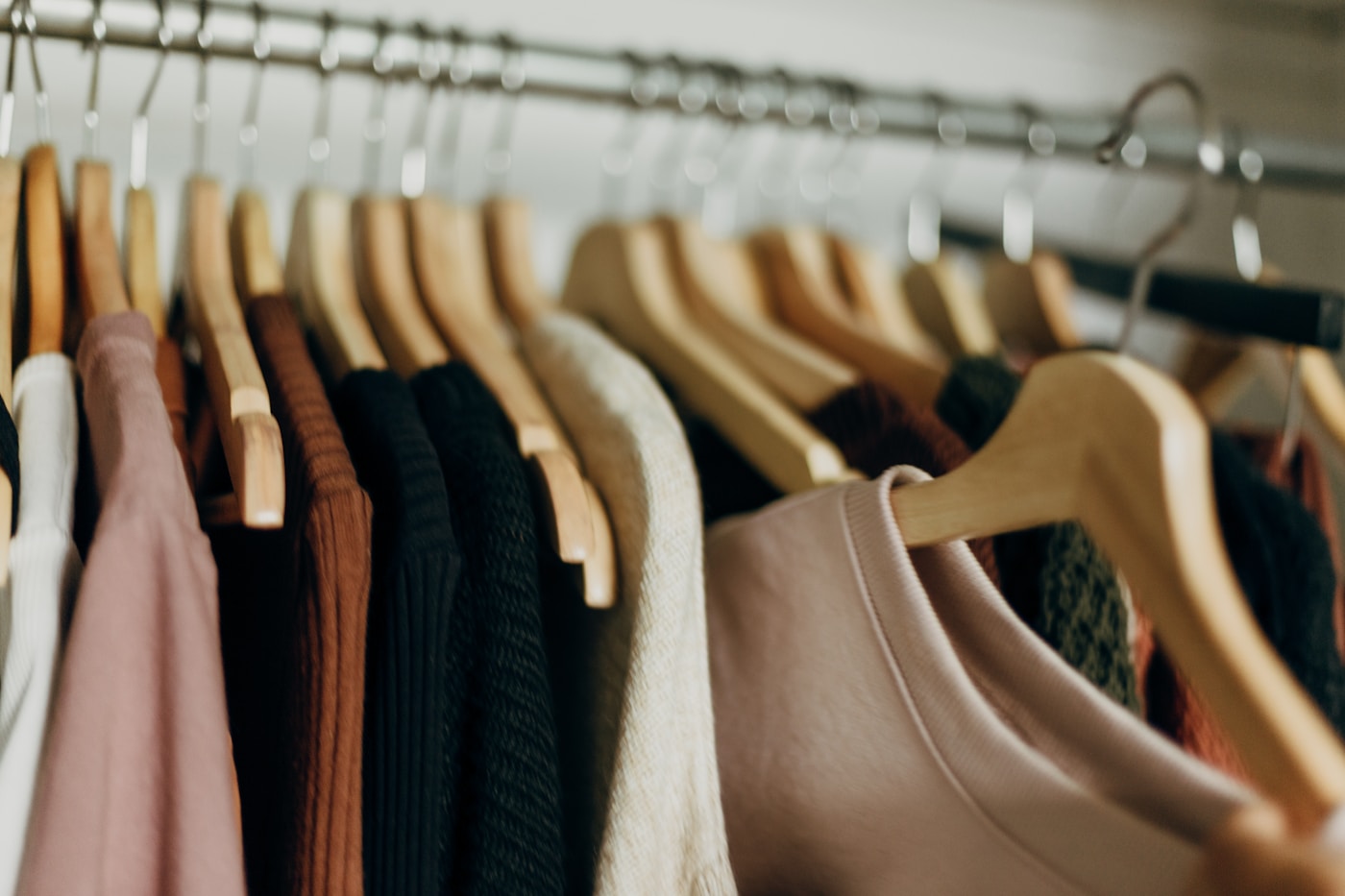
Start with a gap in your wardrobe, measure a similar garment you already wear and compare fabric, fit and care instructions. Buy a piece for the outfits and occasions it will serve, rather than the complete styled look shown online.
Name the wardrobe gap
Choose a real need before browsing: replacing worn trousers, finding a layer for commuting or dressing for a particular event. Write down the clothes and shoes the new item should work with. This short brief keeps a shopping session focused and gives you a reason to reject an attractive piece that would require several additional purchases.
Use clothes you own as a reference
Lay out a similar garment that fits comfortably and note its measurements. Compare those measurements with the information supplied for the item you are considering. Marks & Spencer, Next, ASOS and other retailers may carry different cuts and labels, so a familiar size number is only a starting point. Read fit notes for the individual garment.
Read composition and care together
Material information and care instructions help explain how a garment would fit your routine. Consider whether you are willing to follow the stated care process and whether the fabric suits the use you have in mind. At H&M UK, Uniqlo UK or any other clothing shop, compare the actual listing rather than treating every basic top or pair of trousers as equivalent.
Separate the item from the styling
Product photography often shows an outfit with several separately sold pieces. At River Island, New Look and other fashion retailers, check exactly what the listing includes. Ask how you would wear the item with your current wardrobe. If the answer depends on buying most of the photograph, revisit whether it really solves your original need.
Make a small shortlist
Keep two or three realistic options with notes on measurements, composition, care and intended outfits. Resolve an unclear detail before ordering. Read the current delivery and return information for the exact purchase, particularly if more than one seller is involved. A short comparison you understand is more useful than a long basket of near-duplicates.
Your questions answered
Build a wardrobe shopping shortlist that works with what you own — where should I start?+
Start with a gap in your wardrobe, measure a similar garment you already wear and compare fabric, fit and care instructions. Buy a piece for the outfits and occasions it will serve, rather than the complete styled look shown online.
Where should I confirm current product and order details?+
Use the official merchant links below and the information attached to the exact product, seller or booking you select. This guide explains a comparison method; it does not promise a particular price, service or result.